No products in the cart.
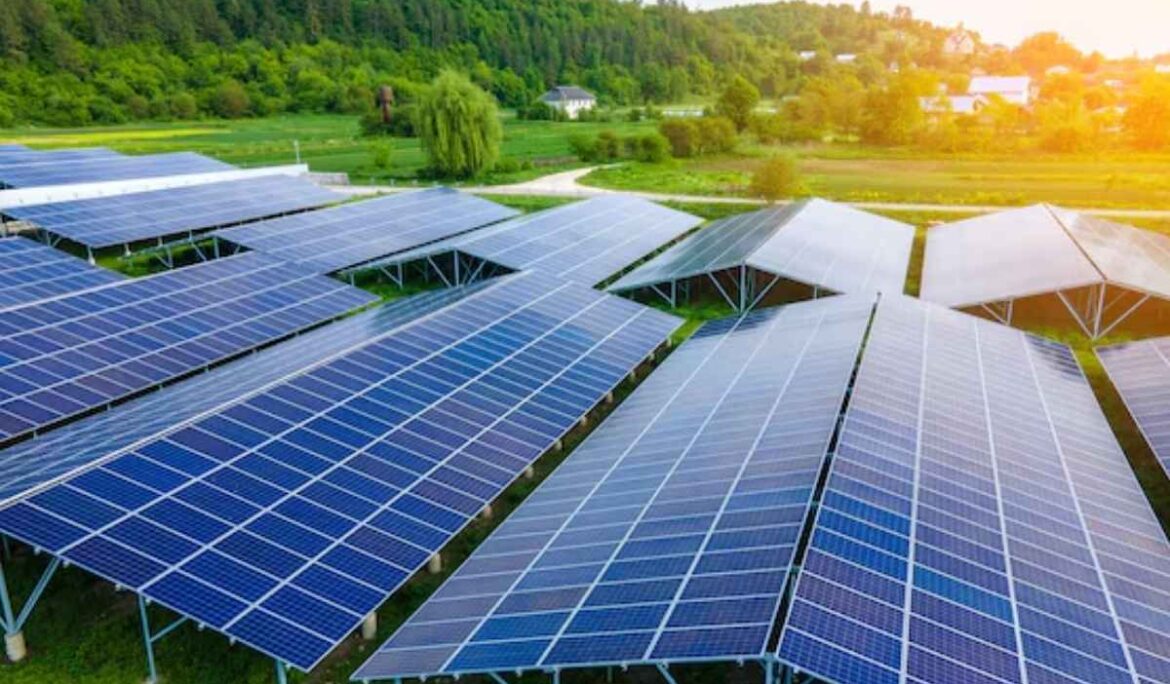
Why Panels Perform Better Than You Think in Winter
Winter in the Netherlands has its own personality.
- Grey sky
- Shorter days
- Cold winds,
- And yes — snow.
As the temperatures drop, one question comes up again and again among homeowners: Do solar panels still work during winter?
Short answer? Yes, in many cases, they perform better than people expect.
Talk about it clearly, honestly, and without technical overload.
In This Blog
Winter Myths vs Reality About Clean Energy
Many people assume panels stop working as soon as snow appears. But you may be shocked to know how it actually works. These modern energy systems are designed for year-round use, even in cold climates like ours.
Solar technology doesn’t depend on heat. It works on daylight. Even on overcast winter days, energy is still produced. Snow may look like a problem at first glance, but it’s usually temporary — and sometimes even helpful.
Why Cold Weather Can Improve Output
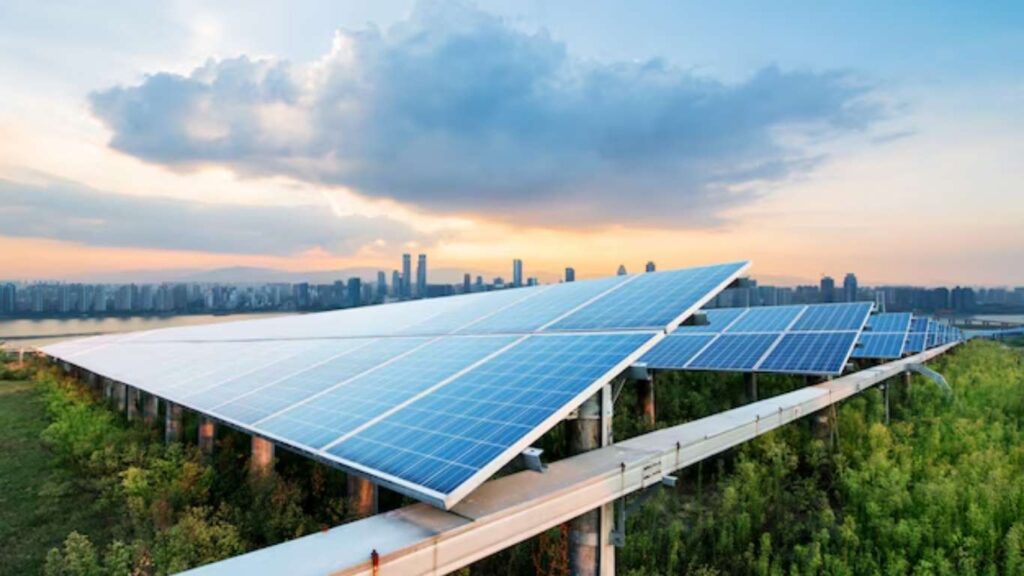
Here’s something most people don’t realise: panels prefer cooler temperatures.
Heat lowers efficiency. Cold supports it.
When winter arrives, Solar panels often work more efficiently than they do during hot summer days. As long as daylight reaches the surface, power continues to flow. This is exactly why countries with long winters still invest heavily in clean energy solutions.
What Happens When Snow Covers the Panels?
Snow rarely stays for long. These panels are installed at an angle, allowing snow to slide off naturally once daylight appears — even briefly.
We already know that dark surface absorbs light quickly, creating mild warmth that helps snow melt faster than it does on roofs or pavements. In many cases, the panels clear themselves within hours.
There’s another bonus too. Snow reflects light. That reflection can slightly increase exposure once the surface is clear, giving solar setups a small efficiency boost.
Do You Need to Remove Snow Yourself?
For most homeowners here, clearing snow off the roof is unnecessary—it’s just not the right move. Trying to climb up there is risky and really isn’t needed. Solar panels are actually designed to handle the weight of snow safely. Unless the snow sticks around for many days and that hardly ever happens in our area, you absolutely should not be trying to clean it by hand. A smart solar system already factors in how the roof slopes, where the panels are located, and the typical local weather patterns anyway.
Built for Harsh Conditions, Not Just Sunshine
Systems used in the Netherlands are tested for freezing temperatures, wind pressure, and snow load. They’re made to handle tough weather without damage.
When all components work together correctly, winter becomes just another season. That’s where a reliable Solar setup really shows its strength.
Cloudy Days Still Produce Energy
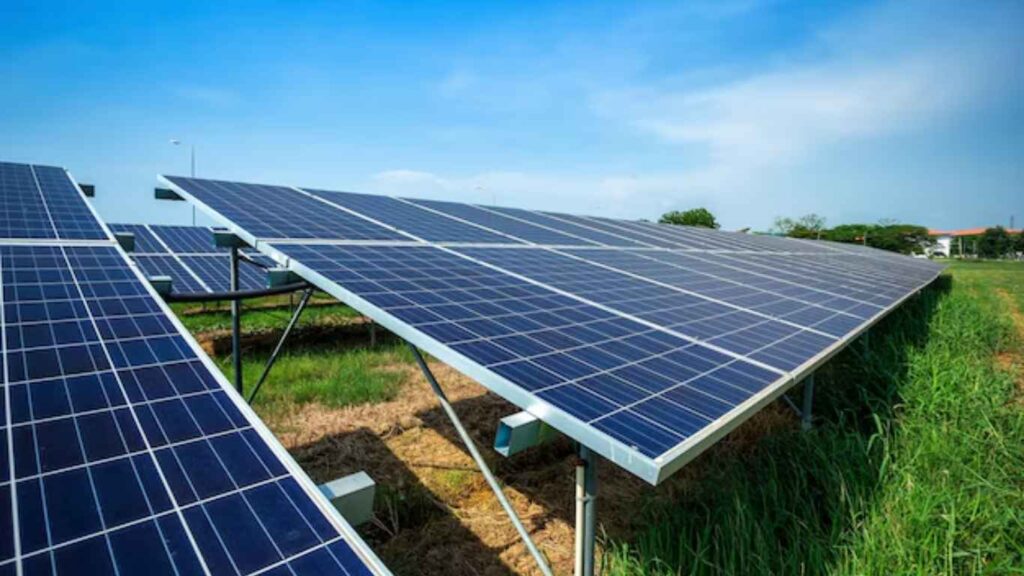
Netherlands winters aren’t always snowy, but they are often cloudy. But still, panels continue producing power from diffused daylight. Output is lower than in summer, but far from zero.
Take it like charging your phone slowly instead of fast. The energy still flows.
Smart inverters automatically adjust performance so your Solar system keeps working efficiently, even when sunlight is limited.
How This Fits Dutch Energy Needs
Energy use rises in winter. Heating, lighting, and appliances all work harder. Clean energy helps balance that demand, especially when paired with smart meters and efficient homes.
Across solar nederland, more households now rely on winter production to reduce electricity costs. Even partial output can noticeably lower monthly bills.
Snow Can Actually Help Keep Panels Clean
Here’s a winter benefit many people don’t expect.
When snow slides off, it often takes dust and dirt with it. This natural cleaning effect leaves panels clearer than before, helping solar systems perform better when brighter days return.
Less dirt means better light absorption. Simple physics. No magic.
Winter Output vs Year-Round Results
Winter is only part of the picture. Energy systems are designed around yearly performance, not seasonal fear.
Strong output during spring, summer, and autumn easily balances winter dips. Over the full year, Solar installations continue to deliver solid savings and sustainability benefits.
That’s why this remains one of the smartest long-term energy choices for Dutch homeowners.
The Real Question Isn’t “Does It Work?”
The real question is: Is it installed correctly?
Angle, orientation, component quality, and professional installation make all the difference. A well-installed solar system doesn’t struggle when snow falls — it keeps working quietly in the background.
Ready to Make Winter Work for You?
Cold days shouldn’t slow down your energy savings.
At Solar Spark, we design and install systems that perform in real Dutch weather — snow, clouds, and everything in between. With smart planning and clean installation, your solar setup works all year, not just on sunny days.
Book a free consultation with Solar Spark today
Turn winter daylight into long-term savings — the smart way.
FAQs
Can my panels still produce energy on dark winter days?
Yes, they do. Even when the sky is grey, daylight still reaches the panels. Production is lower than in summer, but it doesn’t stop. As long as there’s light outside, energy is being generated in the background.
Will snow damage the panels or reduce their lifespan?
No. Panels are built to handle snow weight, cold temperatures, and winter conditions safely. Snow usually slides off on its own, and it doesn’t harm the surface or internal components.
Is winter a bad time to install an energy system?
Not at all. Installation can be done year-round. In fact, installing during winter means your system is ready to perform as soon as days get longer, so you don’t miss out on spring and summer production.
Do I need to clean or maintain the panels more in winter?
Usually not. Snow often clears dirt as it slides off, acting like a natural rinse. As long as the system is installed properly, winter doesn’t require extra maintenance.